Category: Uncategorized

  • Whales: Giants of the Ocean

    Whales: Giants of the Ocean

    Whales are among the largest and most remarkable animals on Earth. These marine mammals live in oceans around the world, from warm tropical waters to the cold seas surrounding the poles.

    Life Beneath the Surface

    Although whales spend their lives in water, they breathe air through blowholes located on top of their heads. They must regularly return to the surface to breathe before diving again in search of food or traveling through the ocean.

    Whales are warm-blooded, give birth to live young, and nurse their calves with milk. A thick layer of fat called blubber helps protect them from cold water and stores energy during long migrations.

    Two Main Groups

    Whales are generally divided into baleen whales and toothed whales. Baleen whales filter small animals from the water using flexible plates inside their mouths. This group includes blue whales, humpback whales, and gray whales.

    Toothed whales use teeth to catch fish, squid, and other prey. Many of them also use echolocation, producing sounds and listening for returning echoes to understand their surroundings. Sperm whales, belugas, and orcas belong to this group.

    The Blue Whale

    The blue whale is the largest known animal to have ever lived. An adult can grow longer than a city bus and weigh well over one hundred tonnes. Despite its enormous size, it feeds mainly on tiny crustaceans called krill.

    Communication and Migration

    Whales communicate using clicks, whistles, pulses, and complex songs. Some sounds can travel across great distances underwater. Humpback whales are especially famous for their long, patterned songs.

    Many species migrate thousands of kilometres each year. They often feed in cold, nutrient-rich waters before traveling to warmer regions where they mate and give birth.

    Protecting Whales

    Commercial hunting once caused severe declines in many whale populations. Today, whales also face threats from fishing gear, ship collisions, underwater noise, pollution, and changes to ocean ecosystems.

    Conservation programs, safer fishing practices, protected habitats, and international cooperation can help whale populations recover. Protecting whales also supports healthier oceans because these animals play an important role in marine food webs and nutrient cycles.

  • Whales: Giants of the Ocean

    Whales: Giants of the Ocean

    Whales are among the largest and most remarkable animals on Earth. These marine mammals live in oceans around the world, from warm tropical waters to the cold seas surrounding the poles.

    Life Beneath the Surface

    Although whales spend their lives in water, they breathe air through blowholes located on top of their heads. They must regularly return to the surface to breathe before diving again in search of food or traveling through the ocean.

    Whales are warm-blooded, give birth to live young, and nurse their calves with milk. A thick layer of fat called blubber helps protect them from cold water and stores energy during long migrations.

    Two Main Groups

    Whales are generally divided into baleen whales and toothed whales. Baleen whales filter small animals from the water using flexible plates inside their mouths. This group includes blue whales, humpback whales, and gray whales.

    Toothed whales use teeth to catch fish, squid, and other prey. Many of them also use echolocation, producing sounds and listening for returning echoes to understand their surroundings. Sperm whales, belugas, and orcas belong to this group.

    The Blue Whale

    The blue whale is the largest known animal to have ever lived. An adult can grow longer than a city bus and weigh well over one hundred tonnes. Despite its enormous size, it feeds mainly on tiny crustaceans called krill.

    Communication and Migration

    Whales communicate using clicks, whistles, pulses, and complex songs. Some sounds can travel across great distances underwater. Humpback whales are especially famous for their long, patterned songs.

    Many species migrate thousands of kilometres each year. They often feed in cold, nutrient-rich waters before traveling to warmer regions where they mate and give birth.

    Protecting Whales

    Commercial hunting once caused severe declines in many whale populations. Today, whales also face threats from fishing gear, ship collisions, underwater noise, pollution, and changes to ocean ecosystems.

    Conservation programs, safer fishing practices, protected habitats, and international cooperation can help whale populations recover. Protecting whales also supports healthier oceans because these animals play an important role in marine food webs and nutrient cycles.

  • Whales: Giants of the Ocean

    Whales: Giants of the Ocean

    Whales are among the largest and most remarkable animals on Earth. These marine mammals live in oceans around the world, from warm tropical waters to the cold seas surrounding the poles.

    Life Beneath the Surface

    Although whales spend their lives in water, they breathe air through blowholes located on top of their heads. They must regularly return to the surface to breathe before diving again in search of food or traveling through the ocean.

    Whales are warm-blooded, give birth to live young, and nurse their calves with milk. A thick layer of fat called blubber helps protect them from cold water and stores energy during long migrations.

    Two Main Groups

    Whales are generally divided into baleen whales and toothed whales. Baleen whales filter small animals from the water using flexible plates inside their mouths. This group includes blue whales, humpback whales, and gray whales.

    Toothed whales use teeth to catch fish, squid, and other prey. Many of them also use echolocation, producing sounds and listening for returning echoes to understand their surroundings. Sperm whales, belugas, and orcas belong to this group.

    The Blue Whale

    The blue whale is the largest known animal to have ever lived. An adult can grow longer than a city bus and weigh well over one hundred tonnes. Despite its enormous size, it feeds mainly on tiny crustaceans called krill.

    Communication and Migration

    Whales communicate using clicks, whistles, pulses, and complex songs. Some sounds can travel across great distances underwater. Humpback whales are especially famous for their long, patterned songs.

    Many species migrate thousands of kilometres each year. They often feed in cold, nutrient-rich waters before traveling to warmer regions where they mate and give birth.

    Protecting Whales

    Commercial hunting once caused severe declines in many whale populations. Today, whales also face threats from fishing gear, ship collisions, underwater noise, pollution, and changes to ocean ecosystems.

    Conservation programs, safer fishing practices, protected habitats, and international cooperation can help whale populations recover. Protecting whales also supports healthier oceans because these animals play an important role in marine food webs and nutrient cycles.

  • Whales: Giants of the Ocean

    Whales: Giants of the Ocean

    Whales are among the largest and most remarkable animals on Earth. These marine mammals live in oceans around the world, from warm tropical waters to the cold seas surrounding the poles.

    Life Beneath the Surface

    Although whales spend their lives in water, they breathe air through blowholes located on top of their heads. They must regularly return to the surface to breathe before diving again in search of food or traveling through the ocean.

    Whales are warm-blooded, give birth to live young, and nurse their calves with milk. A thick layer of fat called blubber helps protect them from cold water and stores energy during long migrations.

    Two Main Groups

    Whales are generally divided into baleen whales and toothed whales. Baleen whales filter small animals from the water using flexible plates inside their mouths. This group includes blue whales, humpback whales, and gray whales.

    Toothed whales use teeth to catch fish, squid, and other prey. Many of them also use echolocation, producing sounds and listening for returning echoes to understand their surroundings. Sperm whales, belugas, and orcas belong to this group.

    The Blue Whale

    The blue whale is the largest known animal to have ever lived. An adult can grow longer than a city bus and weigh well over one hundred tonnes. Despite its enormous size, it feeds mainly on tiny crustaceans called krill.

    Communication and Migration

    Whales communicate using clicks, whistles, pulses, and complex songs. Some sounds can travel across great distances underwater. Humpback whales are especially famous for their long, patterned songs.

    Many species migrate thousands of kilometres each year. They often feed in cold, nutrient-rich waters before traveling to warmer regions where they mate and give birth.

    Protecting Whales

    Commercial hunting once caused severe declines in many whale populations. Today, whales also face threats from fishing gear, ship collisions, underwater noise, pollution, and changes to ocean ecosystems.

    Conservation programs, safer fishing practices, protected habitats, and international cooperation can help whale populations recover. Protecting whales also supports healthier oceans because these animals play an important role in marine food webs and nutrient cycles.

  • Bathtub Reglazing in Brick, New Jersey

    Brick NJ Bathtub Reglazing

    Bathtub Reglazing in Brick, New Jersey

    Restore A Worn Tub Without Replacing The Whole Bathroom

    Jemco Reglazers helps Brick homeowners restore stained, chipped, scratched, dull, and outdated bathtubs with professional bathtub reglazing services. If your tub is still structurally sound, reglazing may give your bathroom a cleaner, brighter look without the cost and mess of full replacement.

    Family-Owned
    15+ Years Experience
    Serving Brick, NJ
    Reglaze Instead Of Replace
    Bathtub Reglazing Brick NJ

    A Smart Bathroom Refresh For Brick Homes

    Brick has a wide mix of homes, from older ranches and split-levels to waterfront and shore-adjacent properties, condos, townhomes, and busy family homes. In many of these bathrooms, the tub still works, but the surface looks stained, dull, chipped, scratched, or dated.

    Bathtub reglazing gives Brick homeowners a practical way to improve the bathroom without removing the existing fixture. Instead of opening up tile, plumbing, flooring, and walls, Jemco Reglazers focuses on repairing, preparing, bonding, and refinishing the tub surface.

    Great For Bathrooms That Need A Cleaner Look

    A worn bathtub can make the entire bathroom feel older. Reglazing can refresh the largest surface in the room without turning the project into a full remodel.

    Can Your Tub Be Reglazed?

    If your bathtub is solid but looks stained, rough, chipped, scratched, faded, or outdated, reglazing may be a strong option. Jemco Reglazers can help determine whether reglazing, repair, refinishing, or replacement makes the most sense.

    Ask About Your Tub
    Common Tub Problems

    Bathtub Issues Reglazing Can Improve In Brick Homes

    Brick bathrooms can deal with daily family use, shore-area humidity, hard-water buildup, soap scum, seasonal guests, and older fixtures that no longer clean up the way they used to.

    Shore-Area Humidity

    Homes near the bay, river, and shore areas can deal with moisture-heavy bathrooms that contribute to staining, soap scum, and dull surfaces.

    Older Bathroom Fixtures

    Many established Brick homes have solid tubs that look worn but may not need to be replaced.

    Busy Family Bathrooms

    Daily showers, kids’ baths, cleaning products, and constant use can leave tubs scratched, stained, and difficult to clean.

    Chips And Scratches

    Minor chips, scratches, and worn areas can often be repaired before the reglazing finish is applied.

    Stains And Discoloration

    Improve tubs affected by yellowing, rust marks, mineral stains, soap scum, and years of buildup.

    Outdated Tub Colors

    Refresh an older bathtub color without removing the fixture or rebuilding the bathroom.

    Reglaze Instead Of Replace

    Why Brick Homeowners Choose Bathtub Reglazing

    Full bathtub replacement can create a domino effect: demolition, tile damage, plumbing work, flooring repairs, dust, debris, and bathroom downtime. For many Brick bathrooms, reglazing is the more practical first option.

    More Affordable

    Bathtub reglazing is typically much more affordable than removing and replacing the entire tub.

    Less Disruption

    Keep the existing bathtub in place and avoid turning a surface problem into a full bathroom renovation.

    Great Before Selling

    A cleaner-looking bathtub can help the bathroom feel better maintained before listing photos, showings, or inspections.

    Useful For Rentals

    Reglazing can refresh a worn tub before new tenants, guests, or seasonal use.

    Preserve A Solid Tub

    If the tub is structurally sound, restoring the surface may make more sense than replacement.

    Cleaner Appearance

    Make a stained, dull, or scratched bathtub look brighter, fresher, and more inviting.

    Ready To Reglaze Your Bathtub In Brick?

    Request a free estimate from Jemco Reglazers today.

    Get A Free Estimate
    Our Process

    Our Bathtub Reglazing Process

    A quality reglazing result starts with proper preparation. Jemco Reglazers follows a careful process focused on surface condition, repair needs, bonding, and finished appearance.

    01

    Surface Inspection

    We inspect the tub for stains, chips, scratches, cracks, rough areas, failed coatings, and general surface wear.

    02

    Cleaning And Prep

    The surface is cleaned and prepared so repair and reglazing materials can properly bond.

    03

    Repair Work

    Minor chips, scratches, cracks, and damaged areas are addressed before the new finish is applied.

    04

    Bonding Application

    Professional bonding materials help create the foundation for the reglazed surface.

    05

    New Finish

    A fresh coating is applied to restore the appearance of the bathtub surface.

    06

    Final Review

    We review the completed surface for consistency, appearance, and overall quality.

    Brick Bathroom Surface Services

    More Than Bathtub Reglazing

    Jemco Reglazers helps Brick homeowners, sellers, landlords, and property managers restore multiple bathroom surfaces without jumping straight to replacement.

    • Bathtub reglazing
    • Bathtub refinishing
    • Bathtub resurfacing
    • Bathtub repair
    • Fiberglass repair
    • Chip and crack repair
    • Tile reglazing
    • Sink refinishing
    • Countertop refinishing

    Why Brick Homeowners Choose Jemco Reglazers

    Jemco Reglazers is a family-owned New Jersey reglazing company with over 15 years of experience helping homeowners restore bathroom surfaces instead of replacing them.

    Contact Jemco Reglazers

    Family-Owned

    Personal service from a New Jersey company focused on quality work.

    15+ Years Experience

    Experienced bathtub and bathroom surface restoration specialists.

    Local Shore-Area Experience

    Helpful for Brick homes, shore-adjacent properties, family bathrooms, rentals, and older tubs.

    Restore Instead Of Replace

    A practical approach for tubs and surfaces that are worn but still usable.

    Reglazing vs Replacement

    Bathtub Reglazing vs. Bathtub Replacement

    Replacement may be necessary for major structural damage, but many worn-looking tubs can be reglazed for less.

    Factor Bathtub Reglazing Bathtub Replacement
    Best ForStains, chips, scratches, dullness, worn finish, outdated colorSevere damage, leaks, movement, or layout changes
    CostMore affordable in many casesUsually more expensive
    DemolitionNo major demolitionOften required
    Bathroom ImpactKeeps the existing tub in placeCan affect tile, plumbing, flooring, and walls
    TurnaroundFaster bathroom refreshLonger renovation project

    Find Out If Your Brick Bathtub Can Be Reglazed

    Contact Jemco Reglazers for a free estimate in Brick, New Jersey.

    Request A Free Estimate
    Local Service Area

    Serving Brick And Nearby Ocean County Areas

    Jemco Reglazers provides bathtub reglazing, bathtub refinishing, bathtub repair, and bathroom surface restoration services throughout Brick and nearby Ocean County communities.

    Brick Herbertsville Laurelton Osbornville Adamston Lake Riviera Point Pleasant Point Pleasant Beach Bay Head Manasquan Wall Township Toms River Lakewood Jackson Bayville Manchester
    Common Questions

    Bathtub Reglazing In Brick NJ FAQs

    Is bathtub reglazing a good option for Brick homes?

    Yes. If the tub is structurally sound but looks stained, dull, chipped, scratched, or outdated, reglazing can be a smart alternative to replacement.

    Can reglazing help before selling a home?

    Yes. A reglazed tub can help the bathroom look cleaner and better maintained before listing photos, showings, inspections, or buyer walkthroughs.

    Can chips and scratches be repaired first?

    Many minor chips, scratches, cracks, and damaged areas can be addressed before the reglazing finish is applied.

    Is reglazing cheaper than replacement?

    In many cases, yes. Bathtub reglazing is typically much more affordable than removing and replacing the entire bathtub.

    Can you reglaze fiberglass tubs?

    Jemco Reglazers provides fiberglass repair and refinishing services along with bathtub reglazing and related bathroom surface restoration.

    Do you serve Brick, New Jersey?

    Yes. Jemco Reglazers provides bathtub reglazing and bathroom surface restoration services in Brick and nearby Ocean County areas.

    Ready To Reglaze Your Bathtub In Brick?

    Get a free estimate today and see why Brick homeowners trust Jemco Reglazers for bathtub reglazing, refinishing, repair, and bathroom surface restoration.

    Get A Free Estimate
  • Bath Reglazing Service Areas in New Jersey

    Bath Reglazing Service Areas in New Jersey

    Reglazed bathtub in a New Jersey bathroom by Jemco Reglazers

    Jemco Reglazers is a family-owned business with over 15 years of experience serving homeowners across North and South Jersey. Instead of replacing worn bathroom surfaces, Jemco specializes in restoring them—giving your bathtub, tile, sink, countertop, and fiberglass surfaces a fresh, durable finish that looks like new. Whether your bathroom fixtures are stained, chipped, cracked, or showing signs of wear, Jemco can help you save time and money by refinishing rather than replacing.

    New Jersey Bath Reglazing Services from Jemco Reglazers

    At Jemco Reglazers, we offer comprehensive surface restoration services designed to refresh your bathroom without the hassle of demolition. Our experienced technicians provide:

    • Bathtub reglazing
    • Tile reglazing
    • Sink refinishing
    • Countertop refinishing
    • Fiberglass repair
    • Chip and crack repair

    These services restore the original beauty of your bathroom fixtures, improving the appearance and usability of your bathroom with minimal disruption.

    Areas Jemco Reglazers Serves

    We proudly serve homeowners throughout New Jersey, including many communities in both North and South Jersey. Common service areas may include Ocean County, Monmouth County, Toms River, Brick, Jackson, Lakewood, Manchester, Freehold, and surrounding New Jersey communities. Contact Jemco Reglazers to confirm service availability in your town.

    Bath Reglazing Near Toms River and the NJ37 Corridor

    The NJ37 corridor and surrounding towns in Ocean County have many homes with older bathrooms where tubs and tile are still structurally sound but cosmetically outdated. Jemco Reglazers specializes in restoring these surfaces, offering residents a cost-effective alternative to replacement. Whether your tub has chips or discoloration or you want to update your bathroom’s look quickly, Jemco can help refresh your space with expert reglazing services.

    Not sure if your tub can be reglazed? Contact Jemco Reglazers to ask about your surface and confirm service availability in your area.

    Why Homeowners Choose Reglazing Instead of Replacement

    Choosing reglazing over replacement offers several important benefits for New Jersey homeowners:

    • Cost Savings: Reglazing is often a fraction of the cost of installing a new bathtub or tile.
    • Faster Turnaround: Reglazing is often much faster than full replacement and usually causes far less disruption.
    • Less Mess: Unlike replacement, reglazing avoids demolition, dust, and waste.
    • Environmental Benefits: Restoring fixtures reduces landfill waste and the environmental impact of new materials.

    These advantages make reglazing an excellent option for updating your bathroom with less hassle and expense.

    Services Available in Our New Jersey Service Areas

    Jemco Reglazers provides the following bathroom surface restoration services throughout our New Jersey service areas:

    • Bathtub reglazing to renew old, stained, or chipped tubs
    • Tile reglazing for a refreshed, uniform appearance
    • Sink refinishing to restore worn or damaged surfaces
    • Countertop refinishing for a smooth, updated look
    • Fiberglass repair to fix cracks or damage
    • Chip and crack repair to extend the life of your surfaces

    How to Confirm Service Availability

    If you are interested in reglazing services, the best way to see if Jemco can serve your location is to call us directly, submit a contact form, or send photos of your bathtub or bathroom surfaces. Our knowledgeable team will assess your needs and confirm availability quickly. This personal approach ensures you get accurate information tailored to your home.

    Why Choose Jemco Reglazers?

    Jemco Reglazers is a family-owned New Jersey reglazing company with over 15 years of experience helping homeowners restore bathroom surfaces without the cost and mess of full replacement. From worn bathtubs and outdated tile to chipped sinks, countertops, and fiberglass surfaces, Jemco focuses on practical restoration solutions that make bathrooms look cleaner, fresher, and more usable.

    FAQs About Bath Reglazing Service Areas

    Do you offer bathtub reglazing near me in New Jersey?

    Jemco Reglazers serves many areas throughout New Jersey. Contact our team with your town or zip code to confirm availability and schedule a consultation.

    Do you serve Toms River, NJ?

    Yes, Jemco Reglazers proudly serves Toms River and nearby towns in Ocean County including Brick, Jackson, Lakewood, Manchester, and Berkeley Township.

    Can you reglaze tile as well as bathtubs?

    Absolutely. We offer reglazing services not only for bathtubs but also tile, sinks, countertops, and fiberglass surfaces to restore and renew your entire bathroom.

    Is reglazing cheaper than replacing a bathtub?

    In many cases, yes. Reglazing can restore the appearance of your existing tub at a significantly lower cost without the demolition and installation expenses of a full replacement.

    How do I know if my bathtub can be reglazed?

    A professional inspection can help determine if your tub is a good candidate for reglazing. Chips, stains, worn finish, and discoloration are often repairable and suitable for surface restoration.

    Contact Jemco Reglazers for Your Bathroom Surface Restoration Needs

    Ready to Restore Your Bathroom Surfaces?

    Serving many areas throughout New Jersey, Jemco Reglazers offers reliable and affordable bathtub and bathroom surface restoration services. Don’t replace—restore! Before replacing your bathtub, contact Jemco Reglazers to see whether reglazing is a better option. You can call, submit a contact form, or send photos of your tub, tile, sink, countertop, or fiberglass surface for review. Contact Jemco Reglazers today to request a quote or schedule an inspection.

  • Shower Reglazer

    “`html
    Shower Reglazing Guide

    Shower Reglazer: What To Know Before Restoring Your Shower Surface

    A worn shower does not always need to be torn out and replaced. A professional shower reglazer can help restore stained, dull, chipped, scratched, or outdated shower surfaces so the bathroom looks cleaner without the cost and disruption of a full remodel.

    What Does A Shower Reglazer Do?

    A shower reglazer restores the surface of an existing shower instead of replacing the entire unit. Depending on the shower, this may include surface cleaning, preparation, minor repair work, bonding, and applying a new finish to improve the appearance of tile, fiberglass, acrylic, or other bathroom surfaces.

    Shower reglazing is often used when the shower is still structurally usable but looks worn, stained, dull, scratched, chipped, discolored, or outdated. For many homeowners, it can be a smart alternative to demolition and replacement.

    Reglazing Is About Restoring The Surface

    A professional shower reglazer should not simply coat over grime or damage. The surface needs to be cleaned, prepared, repaired when needed, bonded correctly, and refinished with care.

    Signs You May Need Shower Reglazing

    Showers deal with daily moisture, soap scum, shampoo residue, body oils, cleaners, hard-water buildup, and constant use. Over time, the surface can stop looking clean even after scrubbing.

    • The shower surface looks stained or discolored
    • Tile or fiberglass looks dull and worn
    • Soap scum and grime return quickly
    • The surface feels rough or porous
    • There are chips, scratches, or worn areas
    • The shower color looks outdated
    • Old coatings are peeling, bubbling, or failing
    • You want a cleaner look without a full shower replacement

    Why Shower Surfaces Wear Down Over Time

    A shower is one of the hardest-working areas in the bathroom. Water, steam, soap, shampoo, cleaning products, and constant scrubbing all affect the finish over time.

    Once the surface becomes rough, scratched, etched, or worn, it holds more buildup. That makes the shower harder to clean and can make the entire bathroom feel older than it really is.

    More Scrubbing Can Make The Problem Worse

    If the surface is already worn down, harsh cleaners and aggressive scrubbing can damage it further. At that point, reglazing may be more effective than stronger cleaning products.

    Shower Reglazing vs. Shower Replacement

    Replacing a shower can become a large project. Removing the existing shower may involve tile work, plumbing, waterproofing, wall repairs, flooring, debris removal, and days of disruption.

    Shower reglazing keeps the existing surface in place and focuses on improving the appearance. When the shower is still structurally sound, reglazing may be the more practical first option.

    Factor Shower Reglazing Shower Replacement
    Best For Stains, dullness, scratches, worn surfaces, outdated color Major leaks, structural damage, layout changes, failed waterproofing
    Cost Often more affordable Usually more expensive
    Disruption Less demolition and downtime More demolition, debris, and scheduling
    Bathroom Impact Restores the existing surface May affect walls, tile, plumbing, and flooring
    Goal Refresh the look of the existing shower Replace or redesign the shower area

    What Surfaces Can A Shower Reglazer Work On?

    The right solution depends on the material and condition of the shower. A professional evaluation helps determine whether reglazing, refinishing, repair, or replacement is the best choice.

    • Fiberglass shower units
    • Tile shower walls
    • Shower pans and bases
    • Acrylic shower surrounds
    • Porcelain or ceramic surfaces
    • Older reglazed surfaces that need correction
    • Related bathroom surfaces such as tubs, sinks, and countertops

    Why Preparation Matters So Much

    The quality of a shower reglazing job depends heavily on preparation. Moisture, soap scum, body oils, silicone, old cleaners, mineral buildup, mildew, and failed coatings can all interfere with proper bonding.

    If a shower surface is not properly cleaned and prepared, the new finish may not adhere correctly. That can lead to peeling, bubbling, rough texture, or early failure.

    The Finish Is Only As Good As The Prep

    A professional shower reglazer should focus on surface preparation, repair needs, bonding, and care instructions, not just the final coating.

    Questions To Ask Before Hiring A Shower Reglazer

    Before choosing someone to reglaze your shower, ask questions that reveal the process behind the estimate.

    • What type of shower surfaces do you reglaze?
    • How do you clean and prepare the surface?
    • Do you repair chips, cracks, scratches, or worn areas first?
    • How do you handle old failed coatings?
    • What bonding process do you use?
    • How long should the shower cure before use?
    • What cleaners should I avoid afterward?
    • How should I maintain the reglazed shower surface?
    • How do you determine if reglazing or replacement is better?

    Red Flags To Watch For

    A low price can be tempting, but a rushed shower reglazing job can fail early and cost more to correct later. Be careful if the estimate does not explain prep, repair, bonding, or aftercare.

    • The contractor cannot explain the preparation process
    • The job sounds like a quick spray-over service
    • There is no discussion of cracks, chips, peeling, or surface damage
    • They do not explain curing time
    • They do not provide care instructions
    • The price is much lower than other estimates without explanation
    • They promise results that sound unrealistic
    • They avoid questions about old failed coatings

    A Cheap Reglazing Job Can Become Expensive

    If the surface fails, the old coating may need additional preparation before the shower can be properly restored again.

    When Shower Reglazing Is A Good Fit

    Shower reglazing may be a good option when the shower is still structurally sound and the main problem is appearance.

    • The shower looks stained, dull, or outdated
    • The surface is scratched, worn, or hard to clean
    • The shower color no longer matches the bathroom
    • You want to avoid a full remodel
    • You are preparing a home for sale or rent
    • You want a cleaner look without replacing the entire shower

    When Replacement May Be Better

    Reglazing is not always the answer. If the shower has active leaks, serious structural damage, major movement, severe cracking, mold behind the walls, or failed waterproofing, replacement or a larger repair may be necessary.

    That is why it helps to have the surface evaluated first. The right solution depends on whether the problem is cosmetic, surface-level, structural, or moisture-related.

    How To Care For A Reglazed Shower

    Proper care helps protect the finished surface. After reglazing, avoid harsh cleaners and aggressive scrubbing that can shorten the life of the finish.

    • Use non-abrasive cleaners
    • Avoid steel wool and harsh scrub pads
    • Rinse soap residue regularly
    • Keep the bathroom ventilated
    • Do not leave wet bottles, mats, or metal items sitting on the surface
    • Fix dripping fixtures quickly
    • Follow all care instructions after reglazing

    Looking For A Shower Reglazer In New Jersey?

    Jemco Reglazers can help determine whether your shower surface can be repaired, refinished, or reglazed instead of replaced.

    Request A Free Estimate

    The Bottom Line

    A professional shower reglazer can help restore a worn shower surface and make the bathroom look cleaner without the cost and disruption of full replacement. The key is choosing a company that understands preparation, repair, bonding, refinishing, and proper aftercare.

    If your shower is stained, dull, scratched, chipped, outdated, or hard to clean, Jemco Reglazers can help you explore restoration before replacement.

    Before You Replace

    Three Reasons To Consider Shower Reglazing

    When the shower is still structurally sound, reglazing can be a practical way to improve the bathroom without a full renovation.

    01

    Refresh The Look

    Improve stained, dull, scratched, worn, or outdated shower surfaces.

    02

    Avoid Demolition

    Keep the existing shower in place and avoid disturbing walls, tile, flooring, and plumbing.

    03

    Save Time And Money

    Reglazing is often more affordable and less disruptive than full shower replacement.

    Looking For A Shower Reglazer In New Jersey?

    Get a free estimate today and see whether Jemco Reglazers can repair, refinish, or restore your shower surface without replacement.

    Get A Free Estimate
    “`
  • bathtub refinishers

    “`html
    Bathtub Refinishing Guide

    Bathtub Refinishers: What To Look For Before Hiring One

    Not all bathtub refinishers use the same process, materials, preparation, or repair approach. Before you choose someone to refinish your tub, it helps to understand what separates a professional refinishing job from a quick coating that may fail too soon.

    Choosing The Right Bathtub Refinisher Matters

    Bathtub refinishing can be a smart alternative to replacement when the existing tub is structurally sound but looks stained, chipped, scratched, dull, or outdated. The right refinisher can help restore the surface and make the bathroom look cleaner without tearing out the fixture.

    The wrong refinisher can create a different problem: peeling, bubbling, rough texture, uneven coating, strong odor, poor bonding, or a finish that does not last as expected. That is why homeowners should compare more than price.

    The Main Difference Is Process

    A good bathtub refinisher does not simply coat over an old tub. The surface needs to be cleaned, prepared, repaired when needed, bonded properly, refinished carefully, and cared for correctly afterward.

    What Do Bathtub Refinishers Actually Do?

    Bathtub refinishers repair and restore the visible surface of an existing tub. This service may also be called bathtub reglazing, bathtub resurfacing, or bathtub restoration.

    The goal is to improve the appearance of the bathtub without removing it. Depending on the condition of the tub, a refinisher may address stains, chips, scratches, dullness, discoloration, failed coatings, and minor surface damage before applying a new finish.

    Signs You May Need A Bathtub Refinisher

    A tub does not always need replacement just because it looks old. Many bathtubs are still usable but need surface restoration.

    • The tub looks stained or yellowed even after cleaning
    • The surface feels rough or porous
    • There are small chips, scratches, or worn areas
    • The finish looks dull or faded
    • The bathtub color is outdated
    • Soap scum and grime return quickly
    • An old reglazing job is peeling or bubbling
    • You want to refresh the bathroom without a full remodel

    Why Prep Work Is So Important

    The most important part of bathtub refinishing often happens before the new finish is applied. Soap scum, body oils, mineral deposits, silicone residue, old cleaners, and failed coatings can all interfere with bonding.

    If the surface is not prepared correctly, the new coating may not adhere properly. That is when homeowners run into peeling, bubbling, lifting, rough spots, or early failure.

    A Refinished Tub Is Only As Strong As The Prep Underneath

    The final surface gets the attention, but the preparation is what helps determine whether the refinishing job looks professional and performs well.

    Questions To Ask Bathtub Refinishers Before Hiring

    A professional bathtub refinisher should be able to explain the process clearly. If the estimate only focuses on price and does not explain preparation, repair, bonding, or care instructions, that is a warning sign.

    • What preparation is included before refinishing?
    • Do you repair chips, cracks, scratches, or damaged areas first?
    • How do you handle old failed coatings?
    • What bonding process do you use?
    • What surfaces do you refinish?
    • How long should the tub cure before use?
    • What cleaners should be avoided afterward?
    • What should the finished surface look and feel like?
    • Do you provide care instructions?
    • How do you determine if a tub should be refinished or replaced?

    Red Flags When Comparing Bathtub Refinishers

    A low price may look attractive, but a poorly done refinishing job can cost more if it needs to be corrected later. Watch for warning signs before hiring.

    • The price is much lower than other estimates without explanation
    • The contractor cannot explain the prep process
    • There is no discussion of chips, cracks, or surface damage
    • The job sounds like a quick spray-and-go service
    • Care instructions are not provided
    • The refinisher does not explain curing time
    • They avoid questions about failed previous coatings
    • They promise unrealistic results
    • They do not ask about the condition of the tub

    Cheap Refinishing Can Become Expensive

    If a bathtub is refinished poorly, the failed coating may need to be removed or heavily prepared before the tub can be properly restored again.

    Professional Refinishing vs. DIY Tub Kits

    DIY tub refinishing kits may seem like an easy way to save money, but they often do not include the same surface preparation, repair process, bonding approach, or application quality as professional refinishing.

    DIY results can also be difficult to correct if the coating peels, bubbles, or becomes uneven. Professional bathtub refinishers have the experience to evaluate the surface, prepare it properly, and apply a finish designed for bathroom use.

    Factor Professional Bathtub Refinisher DIY Tub Kit
    Surface Prep Thorough cleaning, preparation, and repair evaluation Often limited by tools, experience, and product instructions
    Repairs Can address chips, scratches, cracks, and worn areas when appropriate May not properly address deeper damage
    Finish Quality More consistent appearance when done professionally Can show brush marks, roller texture, drips, or uneven coating
    Long-Term Risk Better process and professional evaluation Higher risk of peeling, bubbling, or needing correction
    Best For Homeowners who want a cleaner, more professional result Small temporary fixes where appearance is less important

    When Refinishing Is Better Than Replacement

    Bathtub replacement may be necessary if the tub has major structural damage, severe movement, active leaks, or the bathroom layout needs to change. But for many tubs, the problem is mostly cosmetic.

    If the tub is still solid and the issue is staining, chips, scratches, dullness, or outdated color, refinishing may be the smarter first option.

    • More affordable than replacement in many cases
    • No major demolition
    • Less disruption to the bathroom
    • Helps preserve a solid existing tub
    • Useful before selling or renting
    • Can make the bathroom look cleaner and more updated

    What Makes Jemco Reglazers Different?

    Jemco Reglazers is a family-owned New Jersey reglazing company with over 15 years of experience helping homeowners repair, refinish, reglaze, and restore bathroom surfaces instead of replacing them.

    Our approach focuses on evaluating the tub, preparing the surface properly, addressing repair needs when appropriate, and helping homeowners understand whether refinishing is the right choice.

    Looking For Bathtub Refinishers In New Jersey?

    Before replacing your tub or hiring the lowest bidder, find out whether Jemco Reglazers can professionally repair and refinish the surface you already have.

    Request A Free Estimate

    The Bottom Line

    Bathtub refinishers can help homeowners save money, avoid demolition, and refresh a worn bathroom surface. But the quality of the result depends heavily on the process.

    Before hiring a refinisher, ask about preparation, repairs, bonding, curing, care instructions, and whether your tub is actually a good candidate. If your bathtub is stained, chipped, scratched, dull, or outdated, Jemco Reglazers can help you explore refinishing before replacement.

    Hiring Checklist

    Three Things To Compare Before Choosing A Bathtub Refinisher

    The best refinishing choice is not always the cheapest. Compare the process, repair approach, and professionalism behind the estimate.

    01

    Preparation

    Ask how the tub will be cleaned, prepared, and made ready for bonding before refinishing.

    02

    Repairs

    Find out whether chips, cracks, scratches, and failed old coatings will be addressed first.

    03

    Aftercare

    Make sure you receive curing guidance and cleaning instructions to protect the refinished surface.

    Looking For Bathtub Refinishers In New Jersey?

    Get a free estimate today and see whether Jemco Reglazers can repair, refinish, or restore your bathtub without replacement.

    Get A Free Estimate
    “`
  • Why resurfacing your porcelain tub is better than replacing it

    Porcelain Tub Resurfacing Guide

    Why Resurfacing Your Porcelain Tub Is Better Than Replacing It

    A worn porcelain tub does not always need to be torn out. If the tub is structurally sound but stained, chipped, scratched, dull, or outdated, resurfacing can renew the bathroom without the cost, mess, and disruption of full replacement.

    Before You Replace A Porcelain Tub, Ask If It Can Be Resurfaced

    Porcelain tubs are often strong, solid fixtures that were built to last. The problem is usually not the tub itself. More often, the surface has become stained, scratched, chipped, dull, yellowed, or difficult to clean after years of use.

    When that happens, many homeowners assume replacement is the only option. But replacing a porcelain tub can quickly turn into a bigger project involving demolition, tile damage, plumbing, flooring, walls, debris, and added labor.

    Resurfacing focuses on restoring the existing tub surface instead of removing the entire fixture. For many bathrooms, that is the smarter first step.

    Simple Idea, Big Difference

    If the porcelain tub is still solid, fits the bathroom, and functions properly, resurfacing may give you the cleaner look you want without replacing the entire tub.

    What Is Porcelain Tub Resurfacing?

    Porcelain tub resurfacing is the process of repairing, preparing, bonding, and refinishing the existing bathtub surface. It is also commonly called bathtub refinishing or reglazing.

    The goal is to restore the appearance of the tub by addressing surface wear, minor damage, stains, dullness, and outdated color. A professional resurfacing process should focus on proper cleaning, preparation, repair work, bonding, and a consistent new finish.

    Why Replacement Often Costs More Than Expected

    Replacing a porcelain bathtub sounds simple until the work begins. The tub is usually connected to surrounding tile, plumbing, flooring, walls, and bathroom trim. Removing it can disturb more of the bathroom than homeowners expect.

    • The old tub may need to be broken apart or removed carefully
    • Surrounding tile can crack or need replacement
    • Plumbing may need adjustment
    • Flooring or wall repairs may be needed
    • Debris removal adds time and mess
    • The bathroom may be out of service longer
    • What started as a tub replacement can become a bathroom remodel

    The Replacement Domino Effect

    Once a porcelain tub is removed, it often affects the surfaces around it. That is why replacement can become much more expensive and disruptive than expected.

    Benefits Of Resurfacing A Porcelain Tub

    Resurfacing can be a practical option when the bathtub is structurally sound but cosmetically worn. It gives homeowners a way to improve the bathroom without rebuilding it.

    • More affordable than full replacement in many cases
    • No major demolition
    • Less mess and disruption
    • Preserves a solid existing fixture
    • Refreshes stains, dullness, chips, scratches, and outdated color
    • Can make the entire bathroom look cleaner
    • Useful before selling, renting, or updating a home
    • Helps avoid disturbing tile, plumbing, and surrounding finishes

    Porcelain Tubs Are Often Worth Saving

    Many older porcelain tubs have a solid feel that homeowners actually prefer over lighter replacement options. If the tub is not leaking, moving, or structurally compromised, resurfacing may allow you to keep the quality of the existing fixture while improving its appearance.

    That is especially helpful in older homes where the tub fits the character, size, and layout of the bathroom.

    Restore The Tub You Already Have

    A porcelain tub that looks worn may still have years of useful life left. Resurfacing helps bring the appearance back without removing it.

    Common Porcelain Tub Problems Resurfacing Can Help

    Porcelain tub resurfacing can improve many common cosmetic and surface-level problems.

    • Yellowing or discoloration
    • Rust marks around drains or worn areas
    • Small chips and surface imperfections
    • Scratches from abrasive cleaning
    • Dull or faded finish
    • Soap scum and mineral stains that do not clean off easily
    • Outdated tub colors
    • Old coating jobs that are peeling or failing

    Resurfacing vs. Replacing A Porcelain Tub

    Both options have their place. The right choice depends on the condition of the tub and what you want to accomplish.

    Factor Porcelain Tub Resurfacing Porcelain Tub Replacement
    Best For Stains, chips, scratches, dullness, worn finish, outdated color Severe structural damage, major leaks, layout changes
    Cost Typically more affordable Usually more expensive
    Mess No major demolition Removal, debris, dust, and possible tile damage
    Timeline Faster turnaround Longer project
    Bathroom Impact Keeps the existing tub in place Can affect tile, plumbing, flooring, walls, and trim

    When Resurfacing Is The Better Choice

    Resurfacing is often the better option when the bathtub is still structurally sound and the main problem is appearance.

    • The tub is solid but looks stained or dull
    • The color is outdated
    • You want to avoid damaging surrounding tile
    • The bathroom layout still works
    • You are preparing a home for sale or rent
    • The tub has minor chips or scratches
    • You want a cleaner look without a full remodel
    • You want to save money compared to replacement

    When Replacement May Be Necessary

    Resurfacing is not always the right answer. If the tub has serious structural damage, active leaks, major movement, severe cracking, or the bathroom layout needs to change, replacement may make more sense.

    That is why it helps to have the tub evaluated first. A professional can help determine whether resurfacing, repair, refinishing, or replacement is the right path.

    Why Prep Work Matters So Much

    A porcelain tub resurfacing job depends on more than the final coating. The surface must be properly cleaned, prepared, repaired, and bonded before the new finish is applied.

    Soap scum, body oils, mineral buildup, old cleaners, silicone residue, and failed coatings can interfere with adhesion. If these issues are not handled correctly, the new finish may not last.

    The Finish Is Only As Good As The Prep

    Professional resurfacing starts before the new surface goes on. Cleaning, repair, prep, and bonding all matter.

    How To Care For A Resurfaced Porcelain Tub

    Proper care helps protect the refinished surface and keep the tub looking better longer.

    • Use non-abrasive cleaners
    • Avoid steel wool and harsh scrub pads
    • Do not use harsh acidic cleaners unless approved
    • Rinse away soap residue regularly
    • Do not leave wet bottles, mats, or metal items sitting on the surface
    • Fix dripping faucets quickly
    • Follow care instructions after resurfacing

    Why Choose Jemco Reglazers?

    Jemco Reglazers helps New Jersey homeowners restore bathroom surfaces without automatically jumping to replacement. As a family-owned company with over 15 years of experience, Jemco focuses on practical repair, refinishing, reglazing, and resurfacing solutions.

    If your porcelain tub is still solid but looks worn, Jemco Reglazers can help you determine whether resurfacing is the right choice.

    Before You Replace Your Porcelain Tub

    Find out whether Jemco Reglazers can repair and resurface the tub you already have.

    Request A Free Estimate

    The Bottom Line

    Resurfacing your porcelain tub can be better than replacing it when the tub is structurally sound but cosmetically worn. It can save money, reduce disruption, preserve a solid fixture, and make the bathroom look cleaner and more updated.

    If your porcelain tub is stained, chipped, scratched, dull, or outdated, contact Jemco Reglazers to find out whether resurfacing is the right solution.

    Restore Before Replace

    Three Reasons To Resurface A Porcelain Tub

    When the tub is still solid, resurfacing can be a smart way to renew the bathroom without creating a larger renovation.

    01

    Lower Project Cost

    Resurfacing is often much more affordable than removing and replacing the entire bathtub.

    02

    Less Disruption

    Keep the existing tub in place and avoid disturbing tile, plumbing, flooring, and walls.

    03

    Cleaner Appearance

    Improve the look of stains, scratches, chips, dullness, and outdated color without replacement.

    Ready To Resurface Your Porcelain Tub?

    Get a free estimate today and see whether Jemco Reglazers can restore your porcelain bathtub without replacement.

    Get A Free Estimate
  • Unlicensed vs-licensed contractors the low bit dilemma

    Home Improvement Contractor Guide

    Unlicensed vs. Licensed Contractors: The Low Bid Dilemma

    The lowest contractor bid can look like the easiest decision, especially when a bathroom surface needs repair, reglazing, or refinishing. But if the price is low because the contractor is cutting corners, skipping prep, using cheaper materials, or operating without proper accountability, that bargain can become expensive fast.

    The Real Problem With The Lowest Bid

    Everyone wants to save money. That is completely understandable. But when it comes to home improvement work, the cheapest estimate is not always the best value.

    A low bid may mean the contractor is efficient and fair. It can also mean the contractor is skipping important steps, using lower-quality materials, rushing the job, avoiding insurance costs, avoiding licensing requirements, or planning to disappear if something goes wrong.

    The Low Bid Dilemma

    The lowest price feels good before the job starts. The real question is what happens after the work is done, especially if the finish peels, cracks, bubbles, stains, fails, or needs to be redone.

    Why Licensing Matters

    Licensing does not automatically guarantee perfect work, but it does create an important layer of professionalism and accountability. A licensed contractor is usually operating as a real business, following registration requirements, and putting their name behind the work.

    For homeowners, that matters. You are not just hiring someone to make a surface look better for a day. You are trusting them inside your home, around your bathroom fixtures, and with a surface you expect to use after the job is complete.

    • Licensing creates a higher level of accountability
    • It helps separate legitimate businesses from fly-by-night operators
    • It can make it easier to verify who you are hiring
    • It shows the contractor is operating with a business structure
    • It gives homeowners more confidence before work begins

    Unlicensed Contractors Can Be A Bigger Risk Than They Seem

    An unlicensed contractor may be friendly, available, and much cheaper. That does not always mean the work will be bad, but it does increase the risk for the homeowner.

    If something goes wrong, you may have fewer options. The contractor may be hard to reach, may not stand behind the work, may not have proper insurance, and may not have a formal process for correcting problems.

    Cheap Work Can Cost More If It Has To Be Redone

    A failed bathtub reglazing or refinishing job often requires extra prep before it can be corrected. That means the cheapest bid can become more expensive than doing it properly the first time.

    What A Very Low Bid May Be Leaving Out

    When a contractor’s price is much lower than everyone else’s, it is fair to ask why. Sometimes the difference is not profit. Sometimes the difference is what is missing from the job.

    • Proper surface cleaning
    • Detailed preparation
    • Chip or crack repair
    • Proper bonding materials
    • Quality coatings or refinishing materials
    • Ventilation and protection of the work area
    • Time needed for careful application
    • Clear care instructions after the job
    • Accountability if the finish fails
    • Insurance, licensing, and business overhead

    The Bathtub Reglazing Example

    Bathtub reglazing is a perfect example of why low bids can be misleading. From the outside, it may look like every company is offering the same thing: make the tub white and shiny again.

    But the process matters. If the surface is not cleaned, prepared, repaired, bonded, and finished properly, the coating may not last. Peeling, bubbling, rough texture, staining, and failed adhesion are often signs that the job was rushed or poorly prepared.

    Prep Work Is Not Optional

    In bathtub repair, reglazing, and refinishing, the final finish is only as strong as the preparation underneath.

    Licensed vs. Unlicensed Contractors

    Price is only one part of the decision. Homeowners should also compare professionalism, process, communication, preparation, materials, and accountability.

    Factor Licensed Contractor Unlicensed Contractor
    Accountability More likely to operate as a formal business with clearer expectations May be harder to verify or hold accountable
    Insurance More likely to carry appropriate business insurance May not carry proper coverage
    Process More likely to explain prep, repair, materials, and care instructions May offer a quick price without explaining the work
    Problem Resolution More likely to have a process if issues come up May disappear or avoid callbacks
    Price May cost more upfront because the job includes proper overhead and process May be cheaper upfront but riskier if corners are cut

    Questions To Ask Before Choosing A Contractor

    Before hiring someone for bathtub repair, reglazing, refinishing, tile work, sink refinishing, or countertop refinishing, ask questions that reveal the quality of the process.

    • Are you licensed or registered to perform this type of work?
    • Do you carry insurance?
    • What exactly is included in the estimate?
    • How do you prepare the surface before refinishing?
    • Do you repair chips, cracks, or damaged areas first?
    • What materials or bonding process do you use?
    • How long should the surface cure before use?
    • What cleaners should I avoid afterward?
    • What happens if there is a problem after the job?
    • Can you explain why your price is higher or lower than another estimate?

    Red Flags To Watch For

    Some warning signs are easy to miss when you are focused on getting the lowest price. If a contractor cannot explain the work clearly, that is a problem.

    • The estimate is much lower than every other quote
    • No license, registration, or business information is provided
    • No insurance information is available
    • The contractor cannot explain the prep process
    • The job sounds like a quick spray-and-go service
    • They ask for unusual payment terms
    • They avoid written details
    • They promise unrealistic results
    • They do not explain care instructions
    • They are hard to reach before the job even starts

    A Vague Estimate Is A Warning Sign

    If the contractor cannot explain what you are paying for, you may not be comparing the same service at all.

    Why The Right Contractor May Not Be The Cheapest

    A professional contractor has real costs: insurance, licensing, materials, tools, training, transportation, preparation time, and the responsibility of standing behind the work.

    That does not mean you should automatically choose the highest bid. It means you should understand what each estimate includes. The best choice is usually the contractor who explains the process clearly, offers a fair price, and gives you confidence that the job will be done properly.

    How This Applies To Bathroom Surface Restoration

    Bathtub reglazing, bathtub refinishing, fiberglass repair, tile reglazing, sink refinishing, and countertop refinishing all depend on proper prep and professional application.

    If the contractor skips cleaning, bonding, repair, or curing steps, the surface may fail early. A bad job can create more work later because old failed coatings often need extra preparation before the surface can be restored correctly.

    Do It Once, Do It Right

    Jemco Reglazers helps homeowners repair, refinish, and restore bathroom surfaces with a professional process focused on preparation, surface condition, and lasting appearance.

    Request A Free Estimate

    The Bottom Line

    The low bid dilemma is simple: the cheapest contractor may save money upfront, but it can cost more if the work fails, the contractor disappears, or the job needs to be redone.

    Before hiring someone for bathroom surface work, compare more than price. Look at licensing, insurance, preparation, materials, communication, and accountability. If your tub, tile, sink, or countertop needs professional restoration, Jemco Reglazers can help you explore a better option than replacement or a risky low bid.
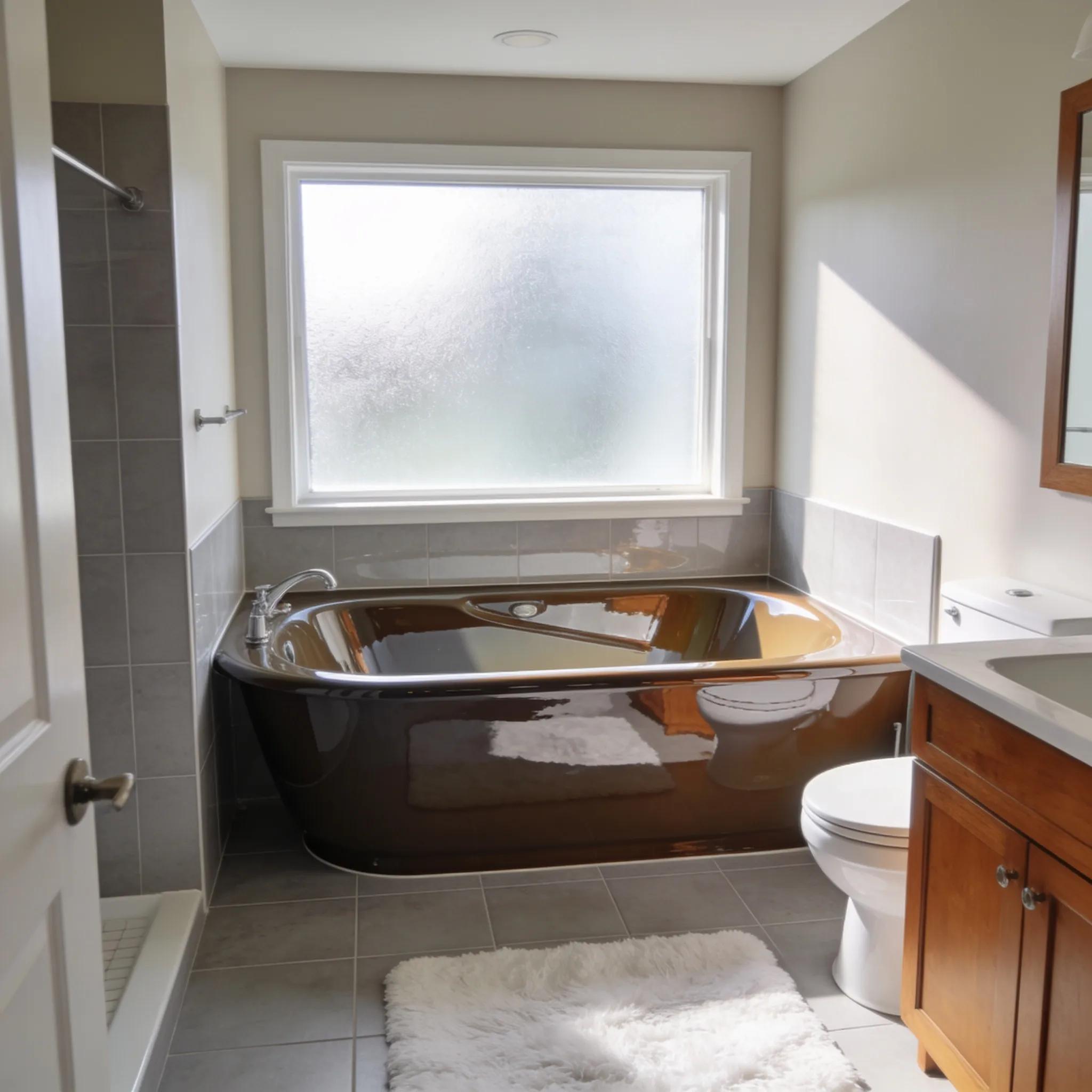
    Smart Hiring Checklist

    Three Things To Check Before Accepting The Lowest Bid

    A low price is only helpful if the work is done properly and the contractor stands behind the job.

    01

    Verify The Business

    Ask about licensing, insurance, business information, and who is actually performing the work.

    02

    Understand The Process

    Make sure the contractor explains cleaning, prep, repair, bonding, application, curing, and care.

    03

    Compare What Is Included

    Two quotes may not be equal if one includes proper prep and repairs while the other is only a quick coating.

    Avoid The Low Bid Regret

    Get a professional estimate from Jemco Reglazers and find out the right way to repair, refinish, or restore your bathroom surfaces.

    Get A Free Estimate